
Introduction: The Power of Retconning in WoW
World of Warcraft’s story has evolved significantly since its launch in 2004. With every expansion, the game’s lore has expanded, introducing new characters, events, and twists that have reshaped the world of Azeroth. But with this evolution comes the occasional retcon—an alteration or reinterpretation of established lore. While retcons can refresh a storyline or resolve plot holes, they can also spark frustration among fans. In this article, we’ll explore some of the most significant retcons in WoW’s history and analyze whether they were necessary or detrimental to the game’s story.
The Return of Kael’thas Sunstrider
One of the most famous retcons in WoW occurred with the return of Kael’thas Sunstrider in The Burning Crusade. Originally thought to have perished during his confrontation with adventurers in Tempest Keep, Kael’thas’s reappearance as a major antagonist raised questions about his death and the true extent of his fall from grace. His return was a classic example of a retcon designed to reintegrate a powerful character into the storyline, but it left many players wondering whether his original death had been handled poorly.
Was It a Necessary Retcon?
- Reinforcing the Burning Legion – Kael’thas’s return helped cement the Burning Legion’s threat in the expansion’s storyline, making his return a fitting plot device.
- Loss of Impact – However, some players felt that Kael’thas’s original death was robbed of its emotional weight, as it was undone by his return.
The Undead and the Forsaken’s Rise
The Forsaken, once the Scourge’s mindless servants, became a playable faction in the game after the events of Warcraft III. Their rise as an independent force in Azeroth was a major shift in WoW’s lore, but it also required a retcon of the previously established idea that the Scourge’s undead were merely tools of the Lich King. The Forsaken’s autonomy and identity as a faction, led by Sylvanas Windrunner, redefined the undead’s place in the game’s world.
Was It a Necessary Retcon?
- Giving the Undead a Voice – The Forsaken’s rise allowed the undead to become more than just villains, offering players a chance to explore a faction driven by survival and revenge.
- Expanding the Story – The retcon expanded the lore of the undead, adding depth to the Scourge’s relationship with the rest of Azeroth.
The Burning Legion’s Resurgence
The Burning Legion was thought to be defeated after the events of Warcraft III, but their return in The Burning Crusade expansion raised eyebrows. Despite their apparent destruction, the Legion returned in full force, led by the corrupted Titan, Kil’jaeden. This retcon allowed the Legion to remain a central threat in WoW’s lore but also raised questions about the finality of their supposed defeat.
Was It a Necessary Retcon?
- Long-Term Threat – The Legion’s return allowed for a more long-term narrative threat, keeping them a significant force in the story and ensuring that WoW’s cosmic struggles were always in the forefront.
- Undermining Previous Victories – For some players, the retcon felt like it undermined the epic conclusion to the Burning Legion’s story in Warcraft III, diminishing the perceived victory over the Legion.
The Night Elf’s Ancient History
The introduction of new lore about the Night Elves in later expansions, especially the reveal of their deeper connections to the Emerald Dream and their role in the creation of the world, has often been considered a retcon of sorts. Originally, the Night Elves were portrayed as a more isolated race with limited ties to Azeroth’s larger history. As the game’s narrative expanded, new details about their ancient past reshaped their role in the world’s creation.
Was It a Necessary Retcon?
- Expanding the Night Elves’ Role – The retcon allowed for a more nuanced view of the Night Elves and their connection to Azeroth’s creation, adding richness to their lore.
- Creating New Conflicts – This retcon also introduced new conflicts, such as the Night Elves’ ongoing struggle with the Emerald Nightmare, providing fresh storylines for the race.
The Fate of the Old Gods
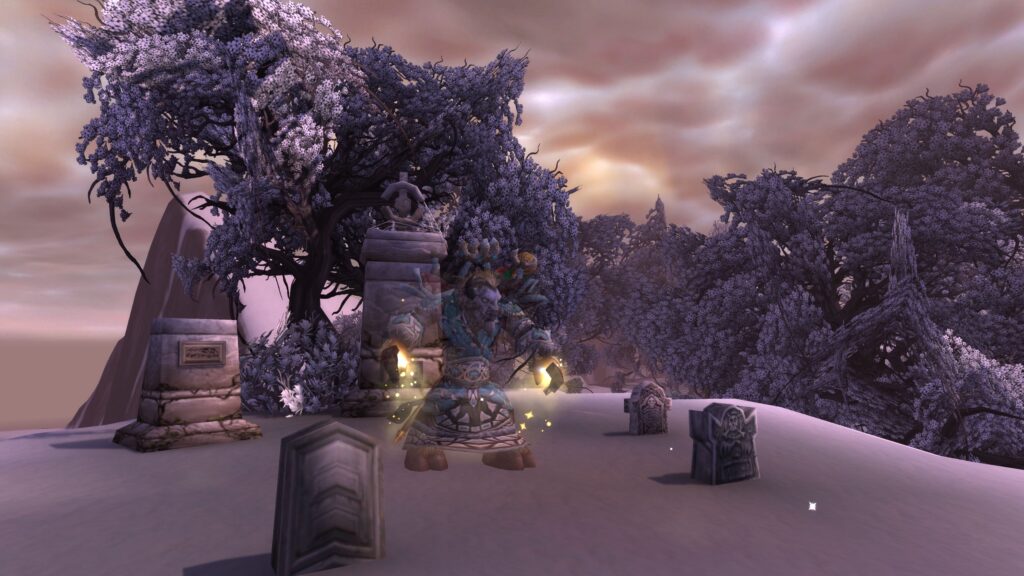
The Old Gods, ancient and terrifying beings that once ruled Azeroth, have been a major part of WoW’s lore. However, as more expansions have introduced new threats and greater revelations about the Old Gods, it has become clear that their true power may not be as final as once believed. The retconning of their fate—from their perceived destruction to their possible return in Shadowlands—has left some fans wondering how far WoW is willing to push the boundaries of its established mythology.
Was It a Necessary Retcon?
- Expanding the Cosmic Conflict – The Old Gods’ return keeps the cosmic struggle at the forefront of WoW’s ongoing story, ensuring that the stakes always feel high.
- Shifting Power Dynamics – The retcon challenges players to rethink the ultimate fate of Azeroth, making the Old Gods’ future role more uncertain and complex.
Conclusion: The Role of Retcons in WoW’s Story
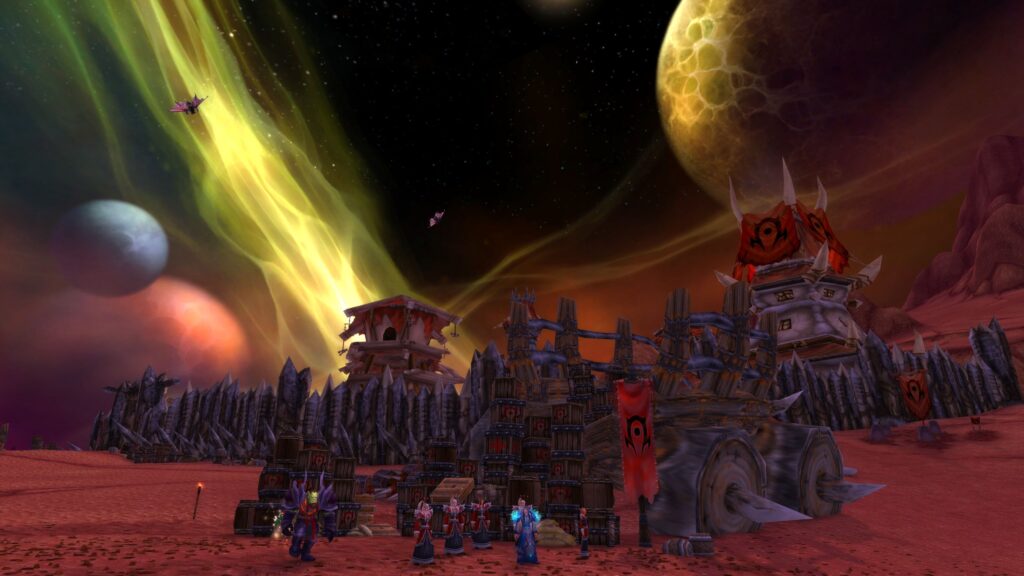
Retcons in World of Warcraft’s story are a necessary part of the game’s evolution. While they can sometimes feel frustrating or undermine previously established lore, they also provide opportunities to expand and deepen the narrative. WoW’s ever-changing world and the complex interactions between its characters and factions mean that the story will always evolve, and retcons help keep it fresh and engaging for players.
Home